
Travel Guide for First Timers: Easy Hacks for Hassle-Free Holidays
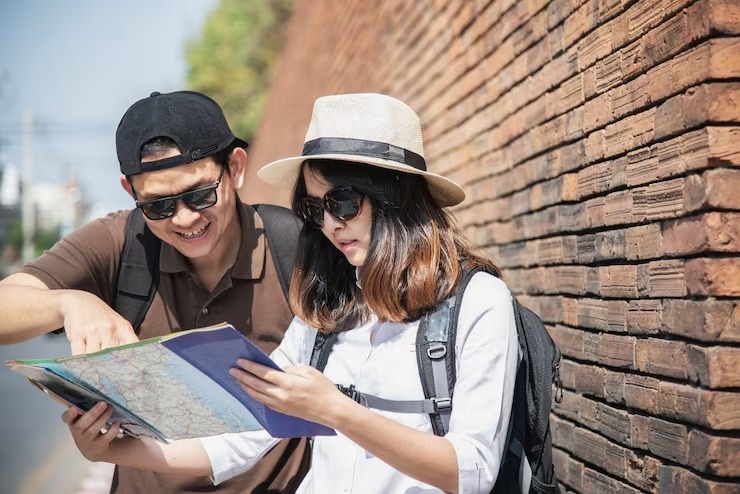
These are the five things you wish to know before visiting Australia for the first time. And sometimes a little befuddlement as well – excitement and curiosity. You might wonder where to go, what to pack, how much cash to carry with you, which hotel to ensure it is your visit easier. All these questions are very typical, especially when you have a trip that is not based on deep experience.
A good travel manual can make it all easier. It allows you to better plan your trip, avoid usual pitfalls, spend less money and feel more comfortable at your destination. Traveling is not only that reaching to a whole new place. Rather about the journey, feeling and engaging local culture, tasting food, making people, and carrying memories for a long time.
It doesn’t matter if you are planning a short weekend getaway, family holiday or honeymoon for two, even your first international travel — preparation is the key to ensure everything goes smoothly! You don’t have to plan every hour of your trip, but you should at least know the background behind it. If you have done some training, know where to go, how to travel and stay during your trip and what you want to watch will be relaxing.
So this travel guide is dedicated for beginners. From destination planning to budgeting, packing, hotel booking, transport, safety rules you need to know and food tips-the guide is right here with simple and practical travel tips.
Importance of Travel Planning
Plenty of people love the idea of traveling unplanned. Spontaneous travel can be exciting at times. However, planning is really essential for new travelers. Even a short holiday can become full of stress without adequate planning. You can end up booking the wrong hotel, you can overspend on something o get caught missing out the good ones or have plans ruined because of some important document not in your possession.
Booking trips allows you to get an grasp of your area even before making it there. You will see when is best time to visit, weather info, local transport and hotel areas, famous attractions and food options, travel Rules. Which can save time and spare you the last minute hassle.
Planning the ideal trip doesn’t have to be marginally less exciting or feel like jailing. It just simply gives you clear clarity. You can go with the surprises, wander around local streets and adjust your plan if you have to. The primary objective is to travel with clarity rather than confusion.
Choose the Right Destination
It all starts with — the destination. Every traveler is different. There are those who love beaches, those who prefer mountains, there are also some that like historical sites, and there are many people that enjoy big cities with strikes of shops, food and nightlife.
Assemble your travel style it matters before acronyming a destination. Whether you want to have a calm vacation or an adventure tour. Are you alone, on a trip with friends or your partner or family? Budget or luxury trip: Do you want a budget trip or do you want to experience the best of your life? Love nature, culture, food, hotels, beaches or city?
Better to go somewhere that you can explore easily if your a first time traveler. Choose a place that has suitable transport, secure surroundings for tourists, where core information is available on the internet and there are enough lodging opportunities. Pick a country where movement is easy for tourists and simple communications are not an exceedingly difficult challenge if you are about to embark on your first ever international trip.
Use the Best-time-to-visit Argument
When to visit a destination can literally alter your entire trip. Florida and Bermuda are ideally suited for winter, whereas southeast Asia excels in summer/spring. Go at the wrong time, and you’ll contend with miserable weather, shuttered attractions or a general lack of comfort.
Peak often has good weather and more choice, but higher prices too. Hotels and flights can also be pricey, as well as tourist places being busy. On the plus-side, off-season offers cheaper and less-crowded travel options; on the negative side however, often times the weather can not be perfect.
Check weather, local festivals, holidays and tourist season before booking your trip. So for example, it is preferable to visit beach destinations in the dry months, while hill stations are scattered all over summer. You can also visit city destinations throughout the year, zero month will be bad, but extreme heat or heavy rain or snow you may need to think about your comfort.
Make a Clear Travel Budget
One of the most important aspects of planning for travel is budgeting. Most first-time travelers only consider the cost of flights and accommodations. Later they realize that food, local travel, entry tickets, shopping and small daily spends make a big dent as well.
Apart from that, you should create a travel budget before booking anything. It has your flight/train tickets, hotel accommodation, meals, local transport, site seeing cost, shopping costs if any, travel insurance, mobile internet and emergency money.
There are three parts to a travel budget that is well-crafted. First off, you have your set costs like tickets and hotels The second is daily use and a daily expense for food, transport, event etc. The third piece is to have emergency money that can help out if something comes up or your plan goes awry.
Budget travel does not have to be a misery. It simply means spending wisely. Book early, travel when no one else wants to go anywhere, use public transport, eat where the locals eat and cut down on extravagant spending.
Book the Right Accommodation
Your hotel/stay can impact your trip more than you realise. You may feel tempted by a cheap hotel; however, if the location is far away from main areas, you will waste money and time for transport. This is why location is so essential.
Research in terms of the area, reviews, safety and cleanliness with nearby facilities before booking accommodation. Also, try to live near public transport, as close to restaurants and markets or places you will frequent. If you are with family, see if the hotel has the basic amenities available like Wi-Fi, breakfast, parking and lift and 24*7 support.
Always read recent reviews. Existing reviews might not reflect the Hotel for the time of visit. Make sure to review the cancellation policy before booking. Your travel dates may change over time, and a flexible booking helps with that.
Pack Light and Smart
Packing is one area where most beginners go long. Some pack a lot of the clothes, and unnecessary bits and bobs. Having to move about with heavy luggage adds more burnt calories, and no one wants to be tired when travelling, especially in cities where you have yet to move from bus to trains to another hotel.
Pack by the weather, destination, and days. Pack Comfortable Cloths (Walking shoes), Toiletries, Chargers, Some Basic Medicines, Travel documents and necessary personal goods. If there is a place you want to go and it is cold, take layers and not only winter clothes. Travel with light apparel if visiting a beach destination, suntan lotion, sunglasses and travel stake shoes.
Always keep things you need close to your body in your handbag or carry-on bag. Passport, ID proof, money, phone, charger, medicines and tickets and hotel booking. Never pack valuables in checked baggage.
Do Your Documents Ready
Travel documents can be of utmost importance when traveling internationally. Check your Passport, Visa, ID proof, Tickets, Hotel booking and Travel Insurance along with some more important documents before you leave.
Save it digitally and as a printed out or pdf version. Store them on your phone and email for access at any time. International travelPlease check passport validity before you book. Some of the countries do not allow your passport to be expiring 6 months before actual departure point.
Here are some points to pay attention to: Carry an ID while travelling domestically. Hotels, airports and transport services may ask for it. Keeping your files organized will help you avoid stress.
Learn Basic Local Information
Research your destination with some essential local information before visiting. This covers currency, local language specific emergency numbers, modes of transport and habit in food, tipping culture and popular tourist traps.
You do not need to become an expert, but knowing small things can be a huge help. I recommend you learning some easy of local words such as hello, thank you and how much. People local to the place find it often a good thing when travelers be aware of their language and culture.
In addition, familiarize yourself with local customs and legislation. Dress code may be there in some religions. Photography might be prohibited in some zones. The rules of public behavior are strict in some countries. Asking you do so a much better and responsible travel experience.
4. Public Transport as much as possible
Because you will save a lot with this way and you will live more local. Most cities have either buses, trains, metro systems, tram networks or a combination of shared transport. These work out cheaper than taxis most of the time.
Check the routes, timings and ticket prices for public transport segment before using it along with your travel pass. These tourist passes may allow unlimited travel for a couple of days in some cities. These passes used for in case you planed to visit lots of place.
In any case, safety must always come first. When you travel at night, when you have luggage or when you are going to a remote place be smarter and choose your transport with wisdom.
Stay Safe While Traveling
First things first (safety). Avoid carrying too much cash. Keep your valuables close. Avoid large crowds, marketplaces, public transport and tourist sites.
Provide a family member or friend with your travel plan Get your phone charged and a power bank. When required, depend on taxi apps that are reputable or main convenient transportation solutions.
Never give your personal information to unknown people. Steer clear of links that don’t specify what you’re linking to, suspicious deals or those who try to hurry you into a purchase. If you feel that a place or person is unsafe, remove yourself from the situation in an composed way and locate safer environment.
Try Local Food Carefully
One of the best aspects of traveling is the food. When you eat local, you learn more about the land and its people. However, cautious if you are new to travel or have a sensitive stomach.
Eat at clean and busy places. Fresh food is normally made by busy restaurants. If you are unsure about water quality, Drink Bottled or Filtered Water. Try not to eat all sorts of spicy or exotic food on first day.
Check out local specialities before your trip. The below can tell you what to try and where you might get good food. Tasting local food sometimes is what makes your trip great — but you need to do it fast!
Make a Flexible Itinerary
An itinerary saves your precious time. However, your itinerary should not follow a fixed pattern. When you make a lot of places in one day, they are too much tired and pumped
Pick a couple of major sites to visit per day and also allow some time to roam around. You could take a moment to relax, discover a street nearby, have a coffee in one of the shops, or just taking your time exploring that particular place.
A decent itinerary breaks down meals, sightseeing spots, rest periods and time to travel from one site to the next. Better fewer places well rather than more visited in a rush.
Travel Responsibly
As a responsible traveler you respect the place. Do not leave garbage lying around, destroy public property, disturb wild animals or disrespect local people. Temple, religious institutions, museums, park or historical sites often have their own set of rules which should be adhered to accordingly.
Support local businesses when possible. Eat local, buy handmade stuff and opt for local guides. These support the local economy and also provide you with a more authentic travelling experience.
Travel is meant to be as fun for you then it should be respectful of the destination. A great traveler cleans the destination for others and leaves it well.
Conclusion
In the beginning, traveling is a very confusing thing and you need to plan in a perfect way. By choosing the right destination, creating a budget, packing smartly, booking safe accommodation and learning basic local knowledge your trip should be just fine.
A good trip doesn’t necessarily need a grand budget or lavish arrangements. Above all comfort, safety, exploration and great experiences are what you should be looking for. If you plan correctly and approach it with an open mind, your trip can turn into some of the best moments of your life.
FAQs
1. What is the best travel tip for first-time travelers?
The best travel tip for first-time travelers is to plan early but keep your schedule flexible. Book your main travel needs in advance, but leave enough free time to relax and explore naturally.
2. How can I travel on a low budget?
You can travel on a low budget by booking tickets early, choosing budget hotels, using public transport, eating local food, traveling during off-season, and avoiding unnecessary shopping.
3. What should I pack for my first trip?
For your first trip, pack comfortable clothes, walking shoes, toiletries, phone charger, power bank, medicines, ID proof, travel documents, money, and weather-related items. Keep your luggage light and organized.



-
How Yversen François Gives Digital Paint a Sense of Movement
Paint isn’t supposed to move. That’s the whole premise Yversen François works ... -
-
-



 Epic Travel Trails offers travel blogs, guides, and tips to inspire adventures, discover hidden gems, and explore epic destinations worldwide.
